

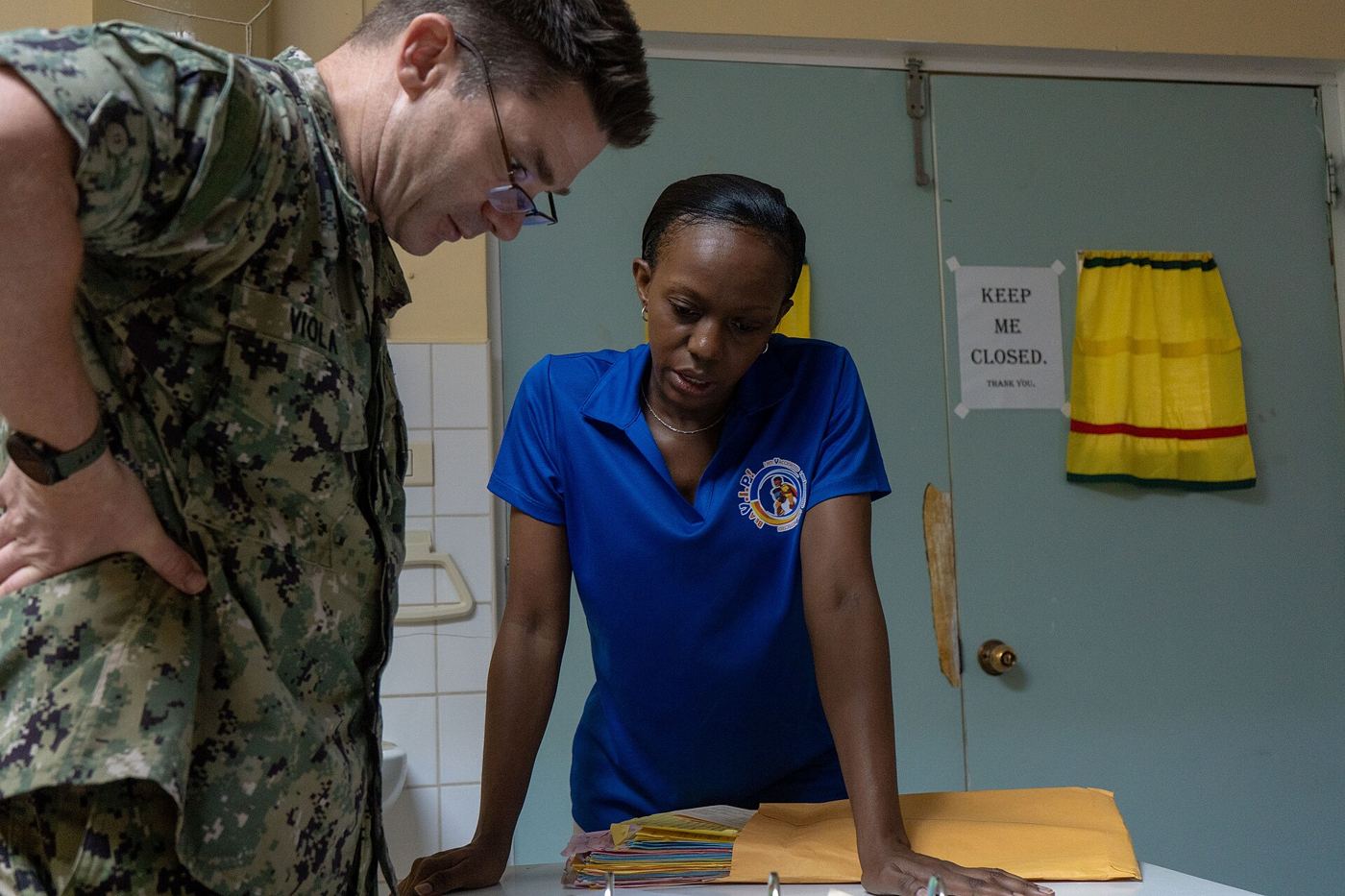
Family doctors are advising patients to seek advice early when winter illness symptoms develop, rather than waiting until they feel seriously unwell. Colds, flu, and other respiratory infections spread quickly in colder months as people gather indoors with windows closed. Most cases improve with rest, fluids, and simple medicines, but some groups face higher risks, including babies, pregnant women, older adults, and people with weakened immune systems. Doctors say knowing the warning signs, such as breathing difficulty, dehydration, or a fever that does not settle, helps families decide when a routine concern becomes urgent. Parents of young children are given particular guidance, because infants can deteriorate quickly and thresholds for seeking urgent assessment are rightly lower than for otherwise healthy adults in winter.
What the Evidence Shows
During consultations, doctors can check whether symptoms suggest a viral illness that needs time, or a bacterial infection where different treatment may help. They also review whether existing conditions such as asthma or diabetes are being destabilised by the infection. Pharmacists remain a fast first stop for minor symptoms and can advise when a doctor’s appointment is needed. Health services ask people with infectious symptoms to call ahead where possible, so clinics can reduce spread in waiting areas. Simple habits still matter: vaccination, hand hygiene, fresh air indoors, and staying home while most unwell protect everyone. Doctors stress that antibiotics do not treat viruses, and using them unnecessarily drives resistance that makes future infections harder to treat for everyone in the wider community over time as well. Reporting and analysis from sources such as The Lancet track the same developments, and specialists following early care for winter illnesses say the direction is now consistent across independent lines of evidence.
The Wider Context
Equity runs through every discussion of early care for winter illnesses. Interventions that require apps, fees or free weekday afternoons reliably reach the people who need them least, so the programmes earning praise are those designed around clinics, workplaces and community venues that already serve everyone. Evaluation reports now publish uptake by income and region as a matter of routine.
What Happens Next
The practical takeaway on early care for winter illnesses is deliberately unglamorous: it works best as part of ordinary, well-delivered care rather than as a standalone fix. Health services are planning on that basis, building the referral routes and follow-up that turn a promising result into population benefit. The gains arrive slowly and then, in the statistics, unmistakably. You can follow related developments in our coverage of health.
It is also worth remembering how quickly the picture in this area has changed before. Positions that looked settled a few years ago have been revised as new data arrived, and the same humility is appropriate now. The strongest coverage of this subject, and the most useful advice, tends to come from sources that update their views openly when the facts move, rather than defending an earlier position long after it has stopped fitting the evidence available.
