

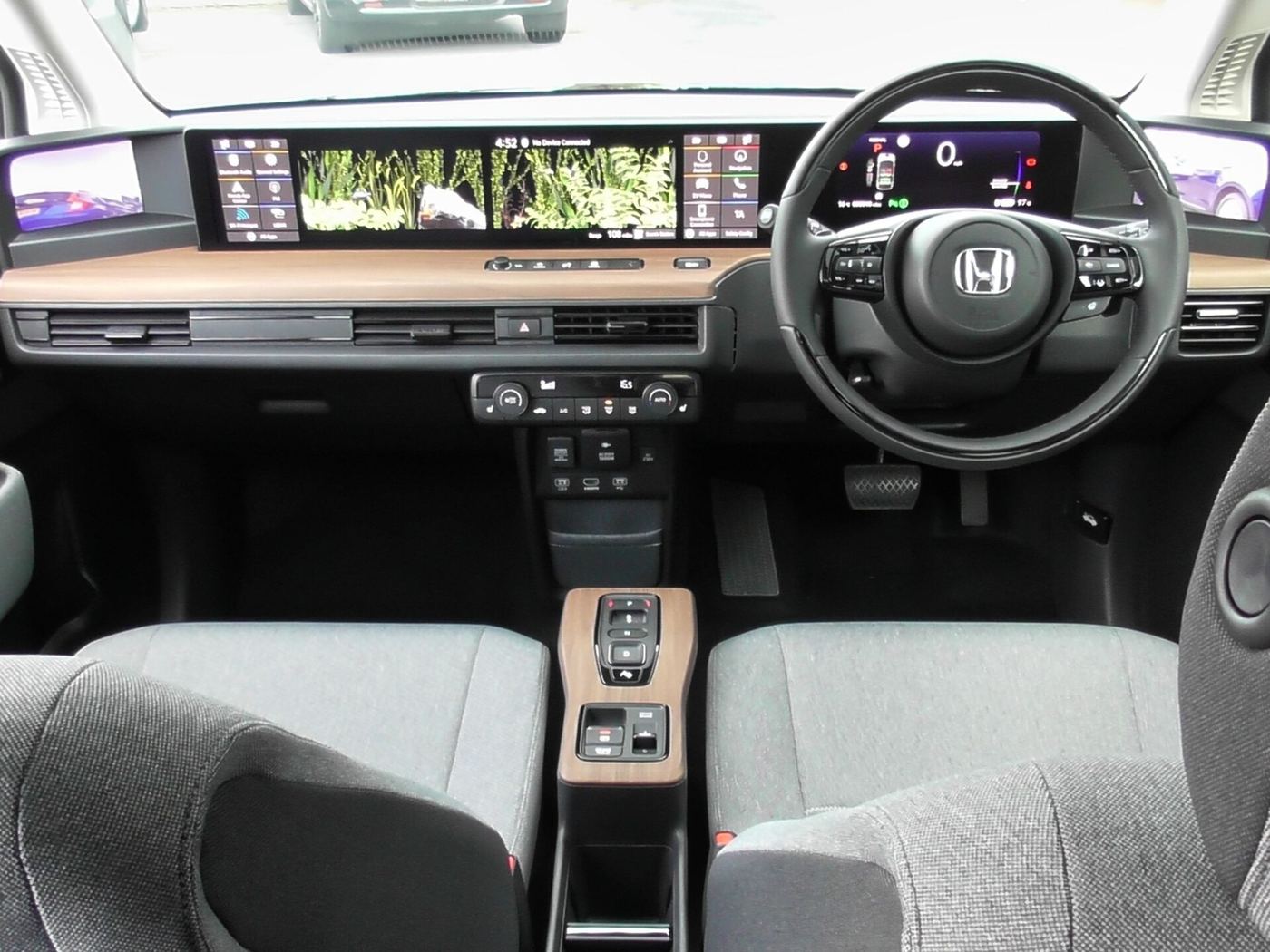
The dashboard of a modern electric car looks very different from the one drivers grew up with. Rows of buttons and dials have given way to a large touchscreen that controls heating, navigation, music and even the door mirrors. Carmakers say the change saves space and cost, and lets them update the car’s features with software long after it leaves the showroom. A new function can arrive overnight, much like an update on a phone. For many drivers, the large screen is now the first thing they notice when sitting in a new car. Drivers get used to the screen quickly for simple tasks, and many appreciate having maps, charging information and entertainment in one place. The design also suits electric cars, which have fewer mechanical controls to begin with and more computing power to spare. For manufacturers, the touchscreen is part of a wider shift toward cars that are defined as much by their software as by their engines.
What the Evidence Shows
The move to touchscreens has drawn criticism as well, and regulators are beginning to pay attention. Safety researchers point out that tapping through menus takes a driver’s eyes off the road for longer than pressing a physical button that can be found by touch. Some studies have found that common tasks, such as changing the temperature, take several times longer on a screen than with a dial. Carmakers are responding by bringing back physical controls for key functions and improving voice control so drivers can keep their hands on the wheel. European safety bodies have begun rating cars partly on how easy their controls are to use without looking. Designers say the ideal is a balance: screens for information and navigation, real buttons for urgent functions. For buyers, the advice is to test the controls on a test drive, because a beautiful screen is of little use if it distracts from the road. Reporting and analysis from sources such as IEEE Spectrum track the same developments, and specialists following the touchscreen car dashboards say the direction is now consistent across independent lines of evidence.
The Wider Context
Adoption of the touchscreen car dashboards follows a familiar pattern with an unfamiliar speed. Early users tolerate rough edges in exchange for advantage, mainstream users arrive when the tool disappears into existing workflows, and the market consolidates around whoever made that transition feel effortless. Vendors are racing less on raw performance now than on integration, support and trust.
What Happens Next
The realistic forecast for the touchscreen car dashboards is steady integration rather than sudden replacement: embedded in products people already use, improving in increments, and regulated in proportion to its reach. The companies and institutions that plan on that basis, training staff and redesigning processes instead of chasing launches, are the ones the adoption data tends to vindicate. You can follow related developments in our coverage of technology.
It is also worth remembering how quickly the picture in this area has changed before. Positions that looked settled a few years ago have been revised as new data arrived, and the same humility is appropriate now. The strongest coverage of this subject, and the most useful advice, tends to come from sources that update their views openly when the facts move, rather than defending an earlier position long after it has stopped fitting the evidence available.
