

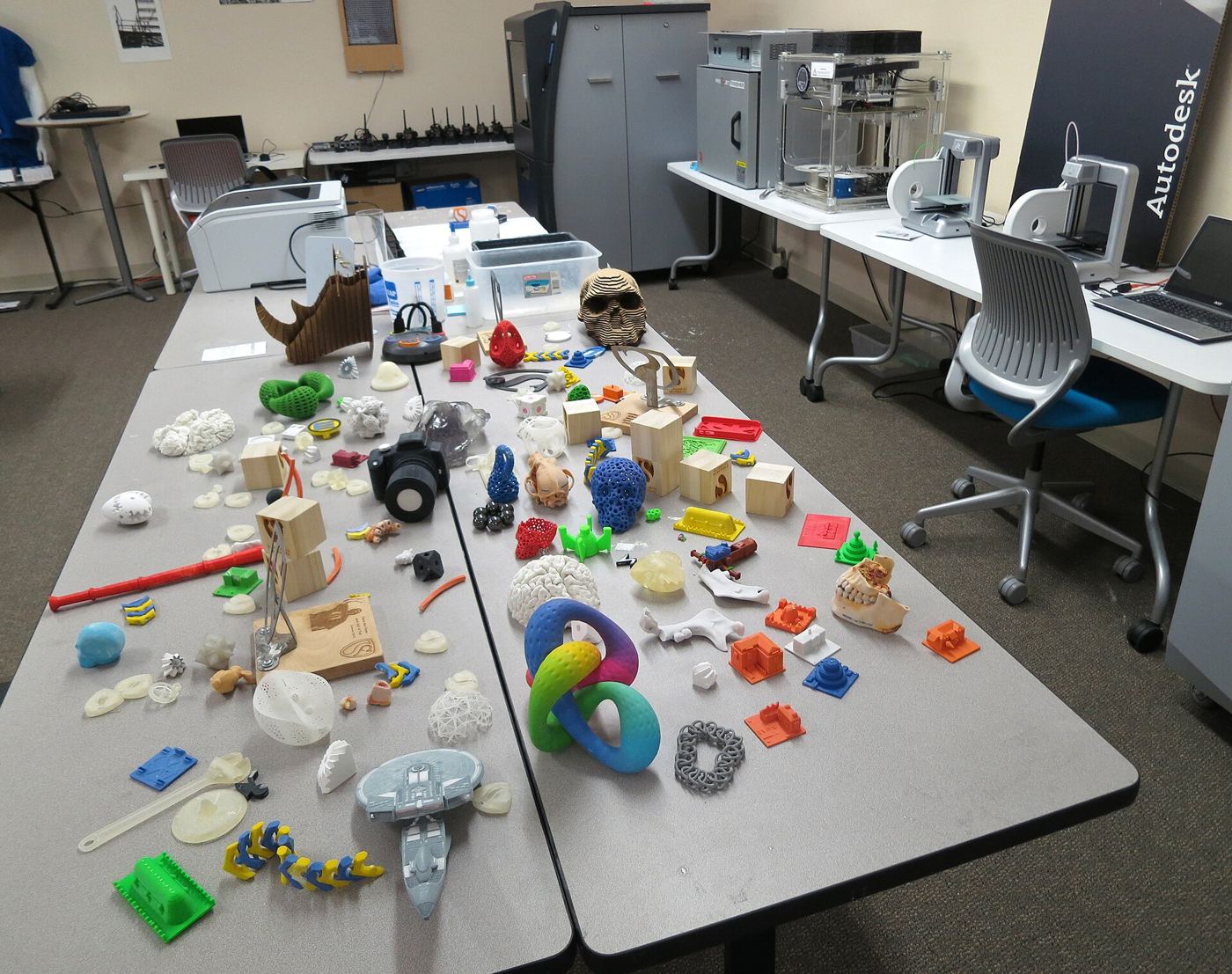
A 3D printer begins with nothing more than a digital file and a spool of plastic filament, yet it can produce a working object within a few hours. The machine heats the filament until it softens, then deposits it in thin layers, building the shape from the bottom up according to the design. What emerges can be anything from a replacement knob for a cooker to a custom prosthetic limb, a model of a building or a part for a machine that is no longer made. The technology has moved far beyond hobby workshops. Engineers use it to prototype new products quickly, testing a design in the morning and holding the revised version by the afternoon. Dentists print crowns and aligners, architects print scale models and factories print jigs and tools tailored to a single production line. The freedom to make one-off objects cheaply has changed how things are designed.
What the Evidence Shows
The range of materials keeps growing. Beyond common plastics, printers now work with flexible rubbers, tough engineering polymers, metals and even ceramics, each opening new uses. Metal printers can produce lightweight brackets for aircraft and intricate parts that would be difficult to machine, while large printers can lay down concrete to form walls and small structures. The machines themselves have become faster, more reliable and easier to use, with automatic calibration and sensors that pause a print if something goes wrong. There are limits: printed parts may need finishing, the layer lines can be visible and printing a large object takes time. Even so, the ability to turn an idea into a physical object without a factory has put manufacturing power into the hands of designers, schools and small businesses. Reporting and analysis from sources such as IEEE Spectrum track the same developments, and specialists following the 3D printers turning digital designs into solid objects say the direction is now consistent across independent lines of evidence.
The Wider Context
Adoption of the 3D printers turning digital designs into solid objects follows a familiar pattern with an unfamiliar speed. Early users tolerate rough edges in exchange for advantage, mainstream users arrive when the tool disappears into existing workflows, and the market consolidates around whoever made that transition feel effortless. Vendors are racing less on raw performance now than on integration, support and trust.
What Happens Next
The realistic forecast for the 3D printers turning digital designs into solid objects is steady integration rather than sudden replacement: embedded in products people already use, improving in increments, and regulated in proportion to its reach. The companies and institutions that plan on that basis, training staff and redesigning processes instead of chasing launches, are the ones the adoption data tends to vindicate. You can follow related developments in our coverage of technology.
It is also worth remembering how quickly the picture in this area has changed before. Positions that looked settled a few years ago have been revised as new data arrived, and the same humility is appropriate now. The strongest coverage of this subject, and the most useful advice, tends to come from sources that update their views openly when the facts move, rather than defending an earlier position long after it has stopped fitting the evidence available.
