

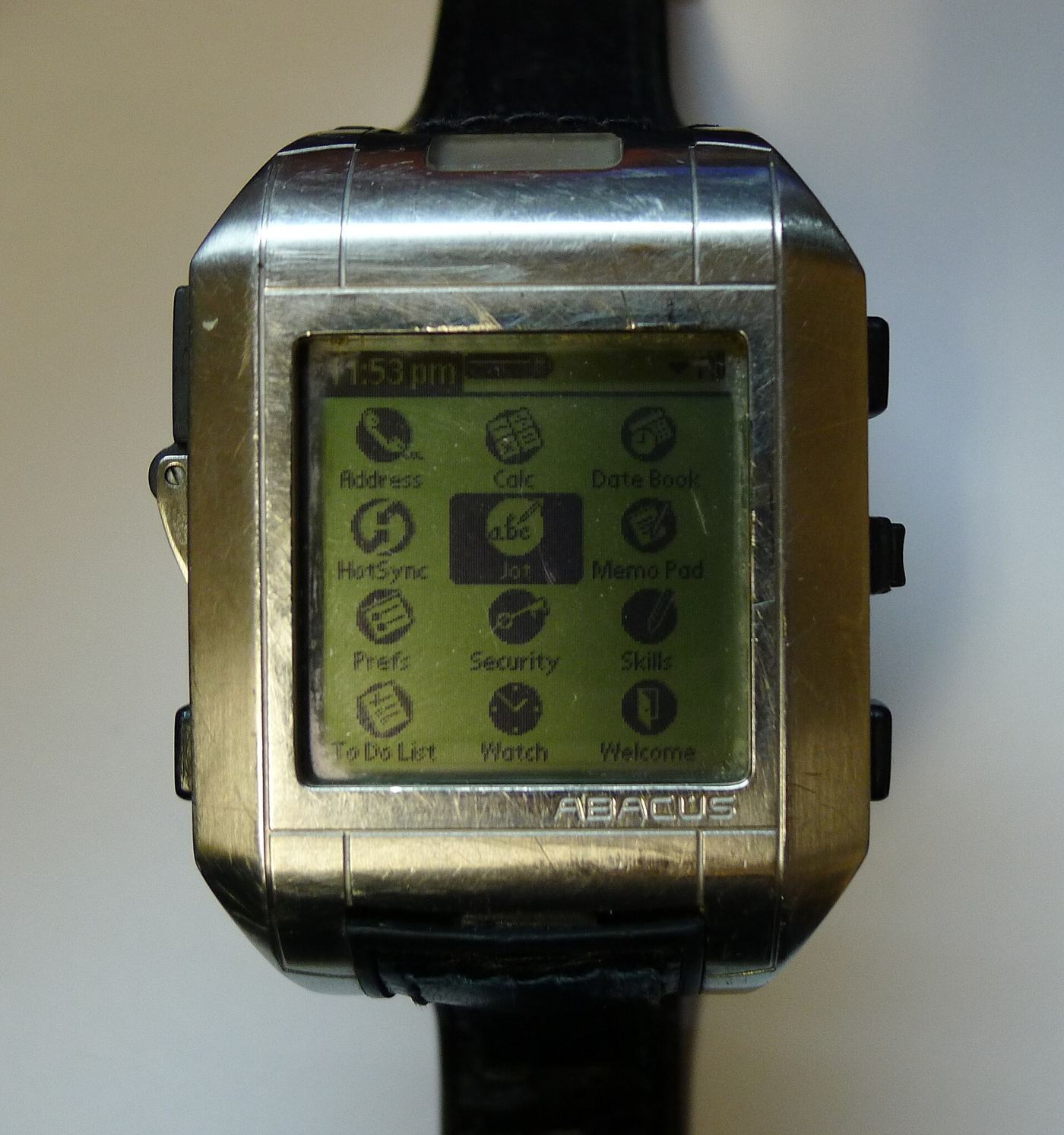
Researchers at Northwestern University have built a smartwatch system that can recognise hand gestures by sensing the movement of muscles and tendons beneath the skin of the wrist. The system, called EITWatch, was developed by the university’s Sensing, Perception, Interactive Computing and Experiences Lab, and was reported in November 2026. It uses a technique called electrical impedance tomography, which sends tiny electrical signals through the wrist and measures how they change as muscles and tendons move. In tests, the watch identified common hand gestures with more than 92 percent accuracy. The researchers say the technology could improve accessibility for people who cannot use touchscreens, as well as prosthetics and patient monitoring. The team says the watch could also help people who have difficulty speaking or using touchscreens, by giving them a silent way to control devices.
What the Evidence Shows
Gesture control has long been a goal for wearable devices, but cameras and motion sensors struggle to tell gestures apart reliably, especially when the hand is still. Reading the muscles directly is a different approach: the pattern of tendons shifting under the skin is distinctive for each gesture, and the watch can learn the patterns of an individual wearer. Because the system is built into a watch, it works without extra hardware and without needing to see the hand at all. The team says the same sensing could help track rehabilitation exercises, monitor tremors in patients with movement disorders, or give amputees finer control of a prosthetic hand. The work is still at the research stage, and the next step is testing the system on more people and more gestures. Reporting and analysis from sources such as IEEE Spectrum track the same developments, and specialists following the EITWatch gesture-sensing smartwatch say the direction is now consistent across independent lines of evidence.
The Wider Context
Adoption of the EITWatch gesture-sensing smartwatch follows a familiar pattern with an unfamiliar speed. Early users tolerate rough edges in exchange for advantage, mainstream users arrive when the tool disappears into existing workflows, and the market consolidates around whoever made that transition feel effortless. Vendors are racing less on raw performance now than on integration, support and trust.
What Happens Next
The realistic forecast for the EITWatch gesture-sensing smartwatch is steady integration rather than sudden replacement: embedded in products people already use, improving in increments, and regulated in proportion to its reach. The companies and institutions that plan on that basis, training staff and redesigning processes instead of chasing launches, are the ones the adoption data tends to vindicate. You can follow related developments in our coverage of technology.
It is also worth remembering how quickly the picture in this area has changed before. Positions that looked settled a few years ago have been revised as new data arrived, and the same humility is appropriate now. The strongest coverage of this subject, and the most useful advice, tends to come from sources that update their views openly when the facts move, rather than defending an earlier position long after it has stopped fitting the evidence available.
