

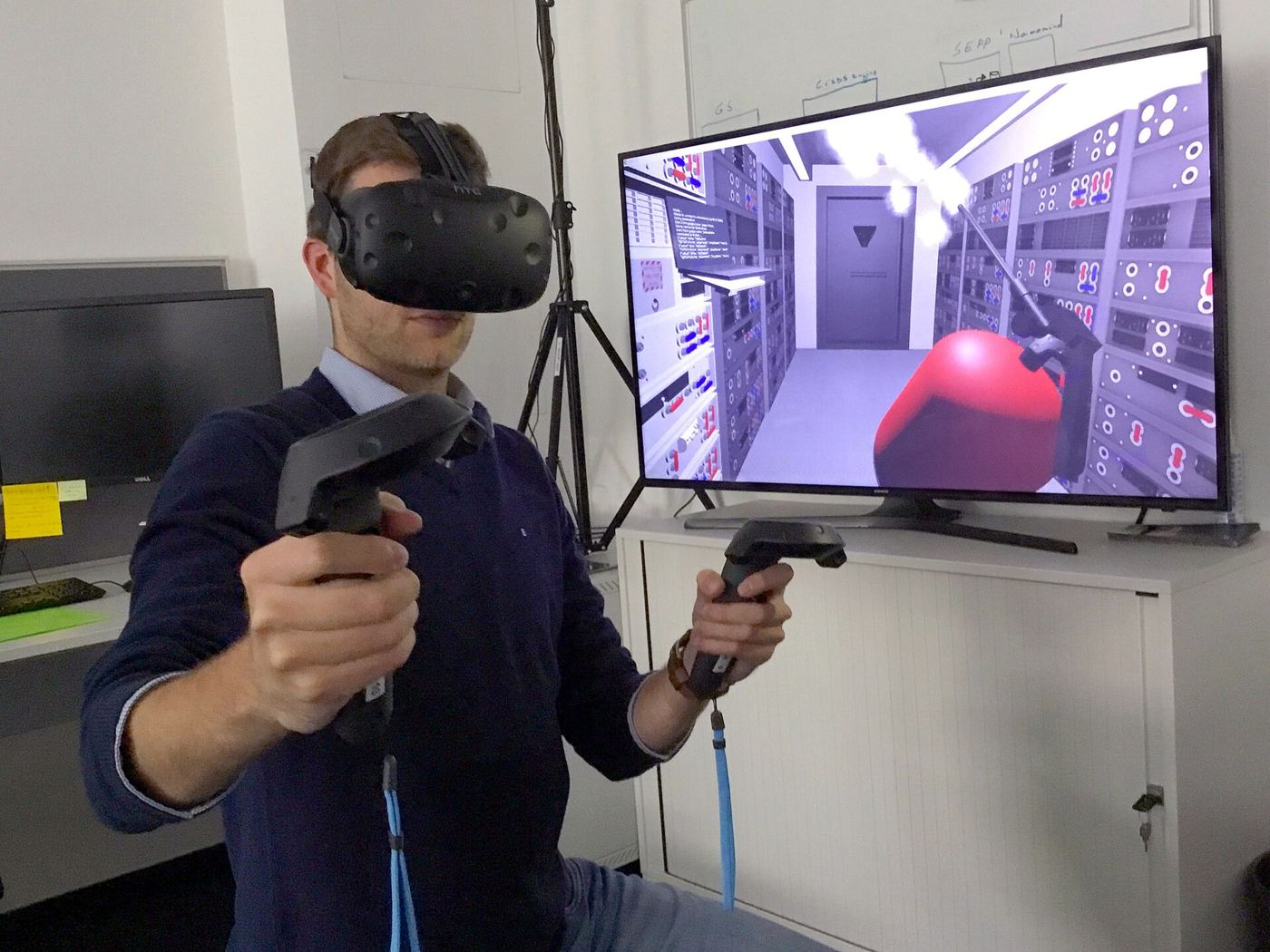
XREAL has begun shipping the Aura, the first glasses running Google’s Android XR platform, with sales starting in mid-November 2026. The glasses cost 1,099 dollars and come with a compute puck that the wearer carries in a pocket. They use Sony Micro-OLED displays with a 70-degree field of view, showing digital images overlaid on the real world. Android XR is Google’s operating system for headsets and glasses, built with Samsung and Qualcomm, and the Aura is the first wired pair of glasses to run it. The launch is a test of whether lightweight glasses, rather than bulky headsets, can bring extended reality to everyday users.
What the Evidence Shows
The device matters because the extended reality market has struggled to find a form people want to wear outside the home. Headsets are powerful but heavy and isolating, while earlier smart glasses were too limited to be useful. The Aura sits in between, offering a wide display in a glasses form, with the heavy computing moved to a pocket puck. Google’s backing gives developers a reason to build apps for Android XR, which the platform needs to succeed. The price is high for a first product, and the puck is an extra thing to carry. Early sales will show whether consumers want a screen on their face, or whether glasses remain a niche for enthusiasts. Reporting and analysis from sources such as IEEE Spectrum track the same developments, and specialists following the XREAL Aura Android XR glasses say the direction is now consistent across independent lines of evidence.
The Wider Context
Adoption of the XREAL Aura Android XR glasses follows a familiar pattern with an unfamiliar speed. Early users tolerate rough edges in exchange for advantage, mainstream users arrive when the tool disappears into existing workflows, and the market consolidates around whoever made that transition feel effortless. Vendors are racing less on raw performance now than on integration, support and trust.
What Happens Next
The realistic forecast for the XREAL Aura Android XR glasses is steady integration rather than sudden replacement: embedded in products people already use, improving in increments, and regulated in proportion to its reach. The companies and institutions that plan on that basis, training staff and redesigning processes instead of chasing launches, are the ones the adoption data tends to vindicate. You can follow related developments in our coverage of technology.
It is also worth remembering how quickly the picture in this area has changed before. Positions that looked settled a few years ago have been revised as new data arrived, and the same humility is appropriate now. The strongest coverage of this subject, and the most useful advice, tends to come from sources that update their views openly when the facts move, rather than defending an earlier position long after it has stopped fitting the evidence available.
