

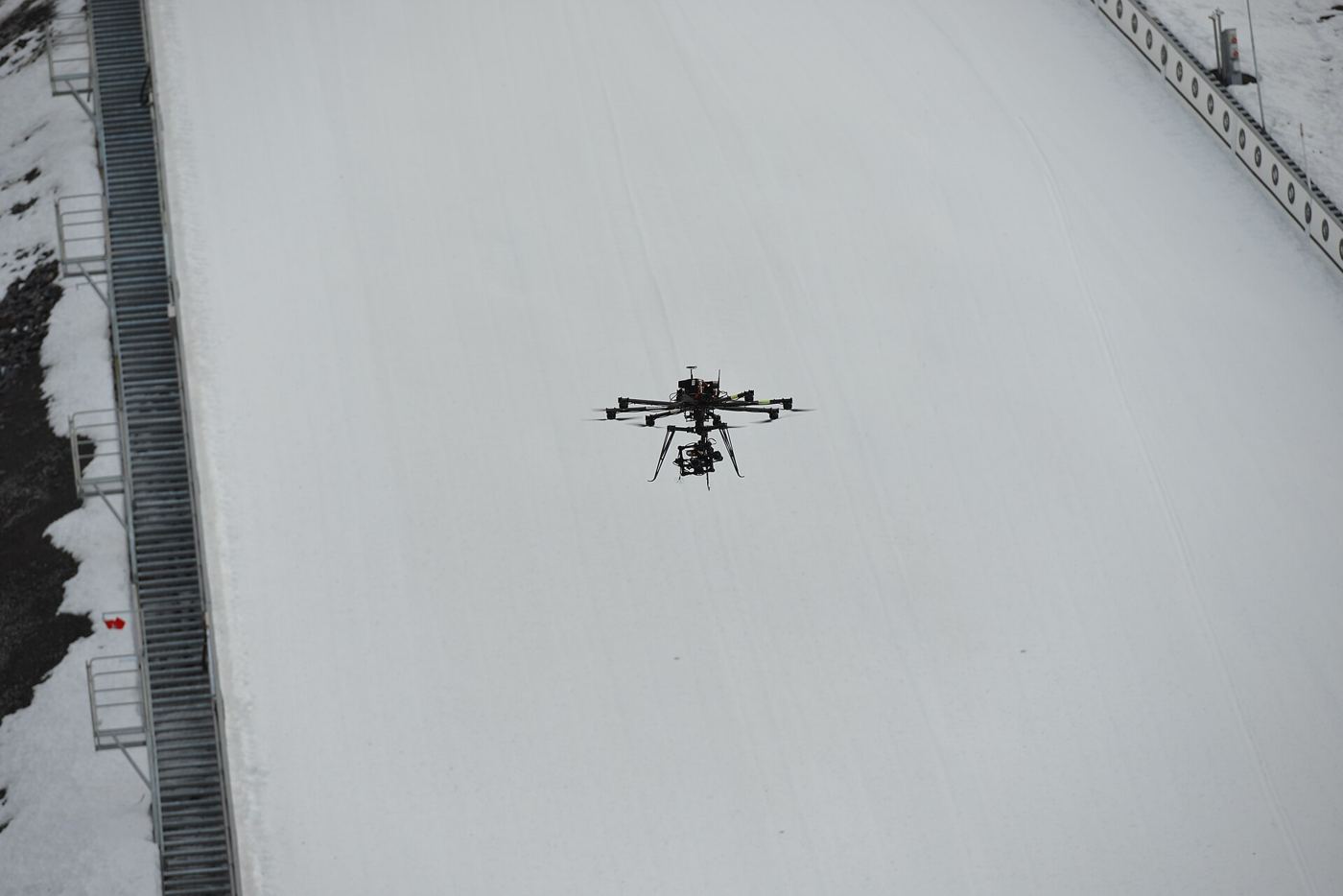
Ring has announced Ring Robotics, a new category of autonomous mobile security devices, launching with two products that patrol a home on their own. The company announced the range on 10 November 2026, introducing the Ring Drone Cam, a small flying camera, and the Ring Rover Cam, a wheeled camera that moves around indoors. The devices are designed to investigate alerts, such as a sound or movement, by moving to the spot and streaming video to the owner’s phone. Ring, which is owned by Amazon, already sells doorbells and fixed cameras, and the new products extend that idea to cameras that can go where the action is. The launch is one of the most ambitious attempts yet to bring patrolling robots into ordinary homes.
What the Evidence Shows
The products matter because fixed cameras can only see what is in front of them, while a mobile camera can check a window, a back door or a room that has no camera at all. A drone that flies a patrol route could also deter intruders simply by being visible and moving. The idea raises privacy questions, with neighbours and visitors potentially filmed by a device that roams beyond the owner’s property. Ring says the devices are designed for use inside the home and its immediate surroundings, with controls to limit where they go. The company will need to convince buyers that the cameras are safe, reliable and worth the price, and that they will not crash into furniture or pets. Early sales will show whether home security robots are ready for the mainstream. Reporting and analysis from sources such as IEEE Spectrum track the same developments, and specialists following the Ring Robotics security devices say the direction is now consistent across independent lines of evidence.
The Wider Context
Adoption of the Ring Robotics security devices follows a familiar pattern with an unfamiliar speed. Early users tolerate rough edges in exchange for advantage, mainstream users arrive when the tool disappears into existing workflows, and the market consolidates around whoever made that transition feel effortless. Vendors are racing less on raw performance now than on integration, support and trust.
What Happens Next
The realistic forecast for the Ring Robotics security devices is steady integration rather than sudden replacement: embedded in products people already use, improving in increments, and regulated in proportion to its reach. The companies and institutions that plan on that basis, training staff and redesigning processes instead of chasing launches, are the ones the adoption data tends to vindicate. You can follow related developments in our coverage of technology.
It is also worth remembering how quickly the picture in this area has changed before. Positions that looked settled a few years ago have been revised as new data arrived, and the same humility is appropriate now. The strongest coverage of this subject, and the most useful advice, tends to come from sources that update their views openly when the facts move, rather than defending an earlier position long after it has stopped fitting the evidence available.
