

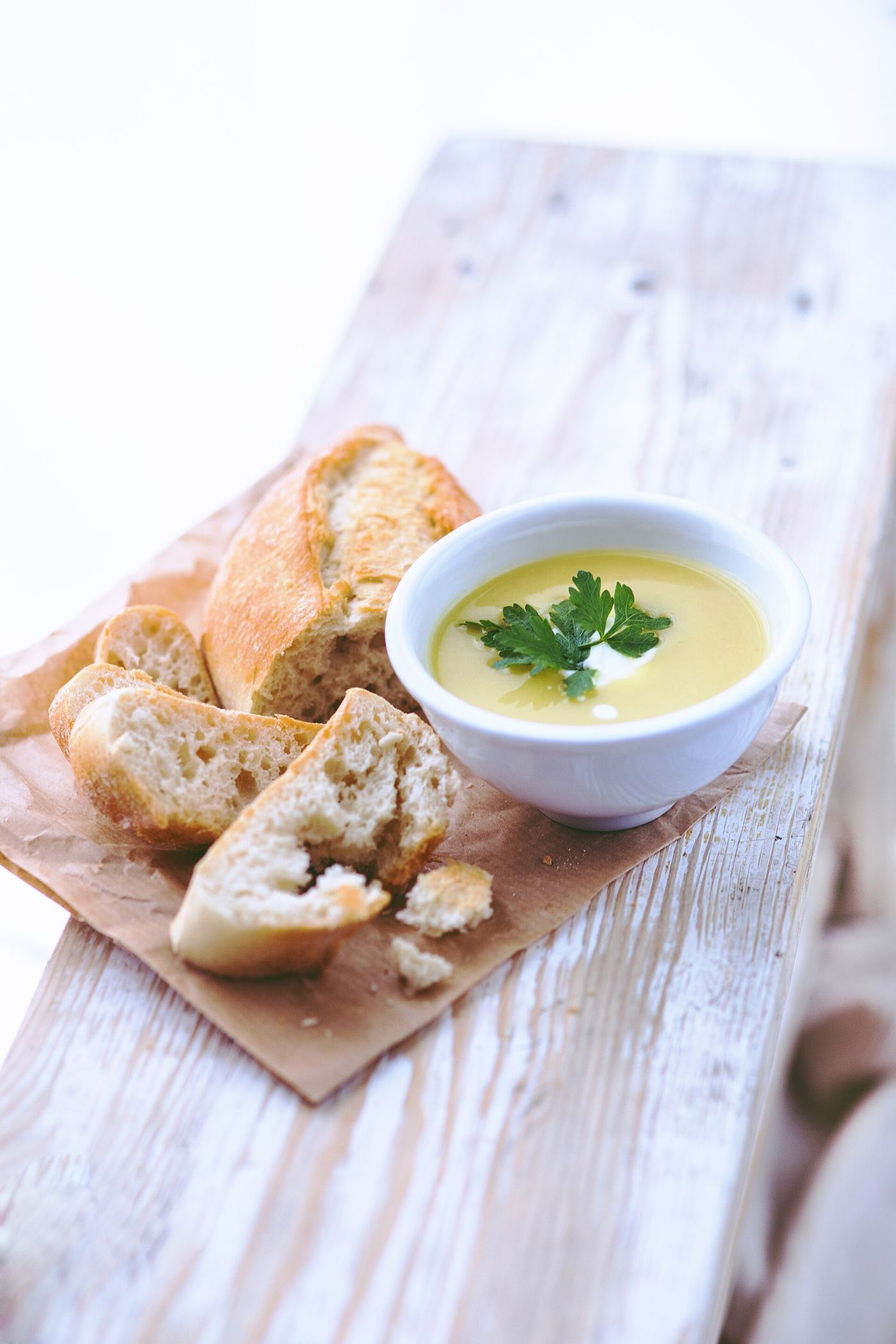
Group cooking classes built around vegetables, beans, whole grains and olive oil are being tested as a practical way to improve everyday diets. Dietitians running the sessions say skills and confidence matter as much as nutrition knowledge, because many participants already know what a healthy plate looks like. Classes focus on affordable ingredients, quick methods and adapting familiar dishes rather than replacing them entirely. Participants cook together, taste as they go and leave with recipes costed for local shops. Early evaluations show people cooking from scratch more often at home, although researchers caution that long-term health effects take years to measure properly.
What the Evidence Shows
The programmes work best when they respect cultural food traditions and budget limits instead of prescribing a single ideal menu. Instructors teach batch cooking, safe storage and ways to use frozen vegetables without losing nutritional value. Some sessions partner with local markets to offer ingredient boxes at reduced prices for the first weeks. Health services are watching whether attendance stays high after the novelty fades, since one-off classes rarely change habits. Organisers are therefore adding follow-up sessions and peer groups. If results hold, community cooking may become a standard referral option alongside exercise and smoking cessation support. Reporting and analysis from sources such as The Lancet track the same developments, and specialists following community healthy cooking classes say the direction is now consistent across independent lines of evidence.
The Wider Context
Equity runs through every discussion of community healthy cooking classes. Interventions that require apps, fees or free weekday afternoons reliably reach the people who need them least, so the programmes earning praise are those designed around clinics, workplaces and community venues that already serve everyone. Evaluation reports now publish uptake by income and region as a matter of routine.
What Happens Next
The practical takeaway on community healthy cooking classes is deliberately unglamorous: it works best as part of ordinary, well-delivered care rather than as a standalone fix. Health services are planning on that basis, building the referral routes and follow-up that turn a promising result into population benefit. The gains arrive slowly and then, in the statistics, unmistakably. You can follow related developments in our coverage of health.
It is also worth remembering how quickly the picture in this area has changed before. Positions that looked settled a few years ago have been revised as new data arrived, and the same humility is appropriate now. The strongest coverage of this subject, and the most useful advice, tends to come from sources that update their views openly when the facts move, rather than defending an earlier position long after it has stopped fitting the evidence available.
None of this will be settled by a single announcement, study or product launch. The pattern to watch is accumulation: independent confirmations, honest reporting of failures and steady improvement in the underlying numbers. Readers who follow those signals, rather than the loudest claim of the week, will understand this subject better than most of the commentary surrounding it suggests is possible.
