

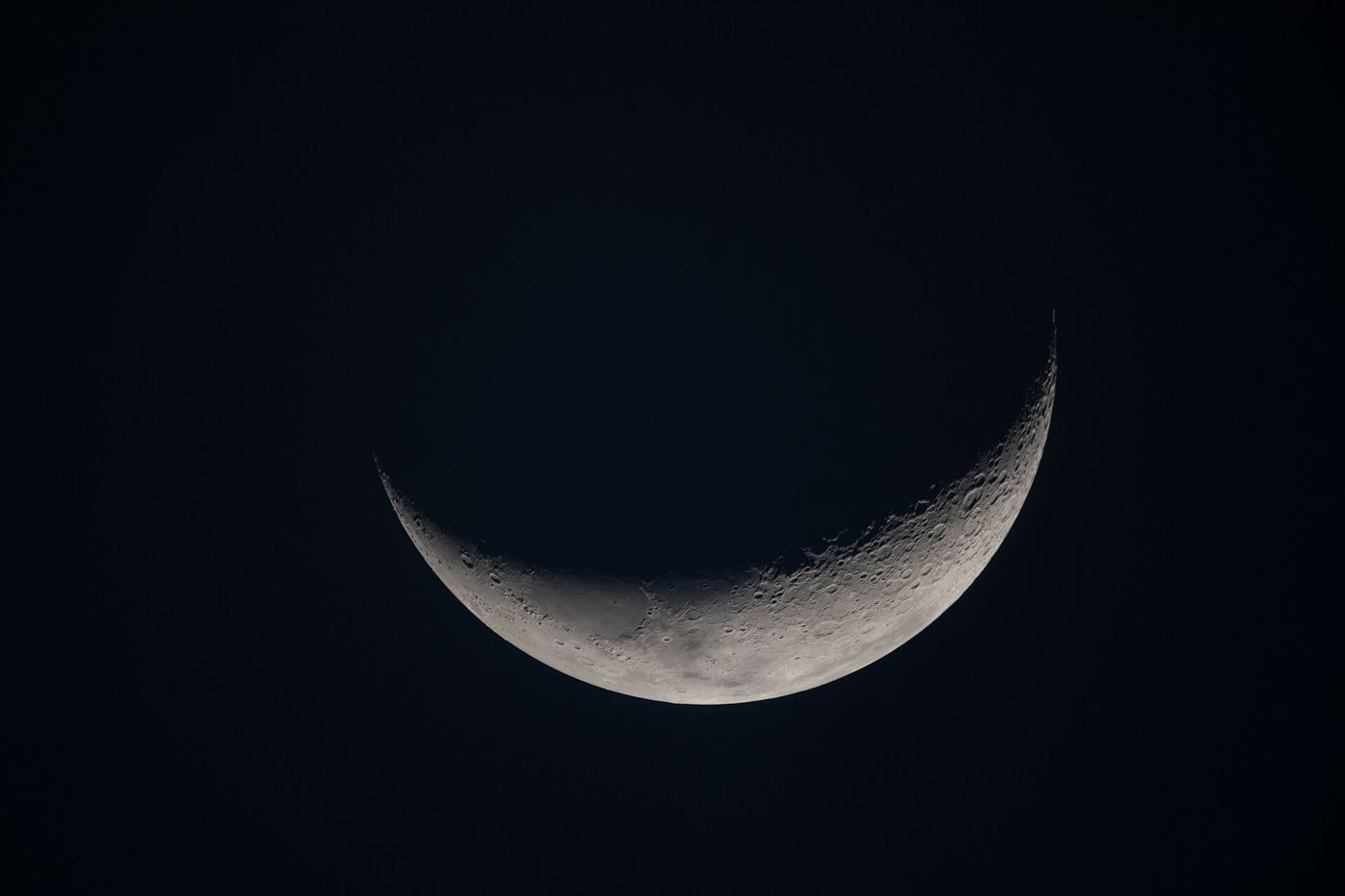
A new approach to dating Moon craters is giving scientists a sharper timeline for the lunar surface, without waiting for fresh samples from every site. By combining high resolution images, measurements of scattered rock, and the slow darkening of exposed soil, researchers can estimate when an impact happened with far better confidence. That matters because crater ages anchor the history of the whole inner solar system. If a lunar crater is dated accurately, scientists can also refine the ages of surfaces on Mars and Mercury, where direct sampling remains extremely difficult today for missions.
What the Evidence Shows
The newest work focuses on smaller, fresher craters whose bright rays and broken rims have not yet faded. Comparing those features across several landing regions helps teams separate real age differences from simple differences in rock type or sunlight. Engineers planning future missions also benefit, because younger craters expose cleaner material and older craters show how radiation weathers the ground. A clearer lunar calendar will not settle every debate, but it gives the next generation of orbiters and landers a much stronger starting map for choosing sites. Reporting and analysis from sources such as National Science Foundation track the same developments, and specialists following dating Moon craters more accurately say the direction is now consistent across independent lines of evidence.
The Wider Context
The wider context is a research landscape in which replication and open data now decide reputations. Findings connected to dating Moon craters more accurately are being checked by independent groups with shared datasets, and the teams involved publish their methods in full so rivals can test every step. That discipline is slower than a headline cycle, but it is why results in this area increasingly survive first contact with scrutiny.
What Happens Next
What happens next in the story of dating Moon craters more accurately will be decided by follow-up work already under way: larger samples, longer observation and instruments that have not yet come online. The researchers involved are unusually united on one point, that the current results justify the next investment of time and money. Readers will not have to wait long for the first tests of that claim. You can follow related developments in our coverage of science.
There is a practical lesson in all of this for readers deciding what to do today. Start with the verified facts, be wary of anyone promising certainty, and prefer reversible steps while the evidence is still developing. Circumstances differ by country, income and personal situation, so general guidance should always be weighed against your own context before you act on it in any significant or lasting way.
It is also worth remembering how quickly the picture in this area has changed before. Positions that looked settled a few years ago have been revised as new data arrived, and the same humility is appropriate now. The strongest coverage of this subject, and the most useful advice, tends to come from sources that update their views openly when the facts move, rather than defending an earlier position long after it has stopped fitting the evidence available.
