

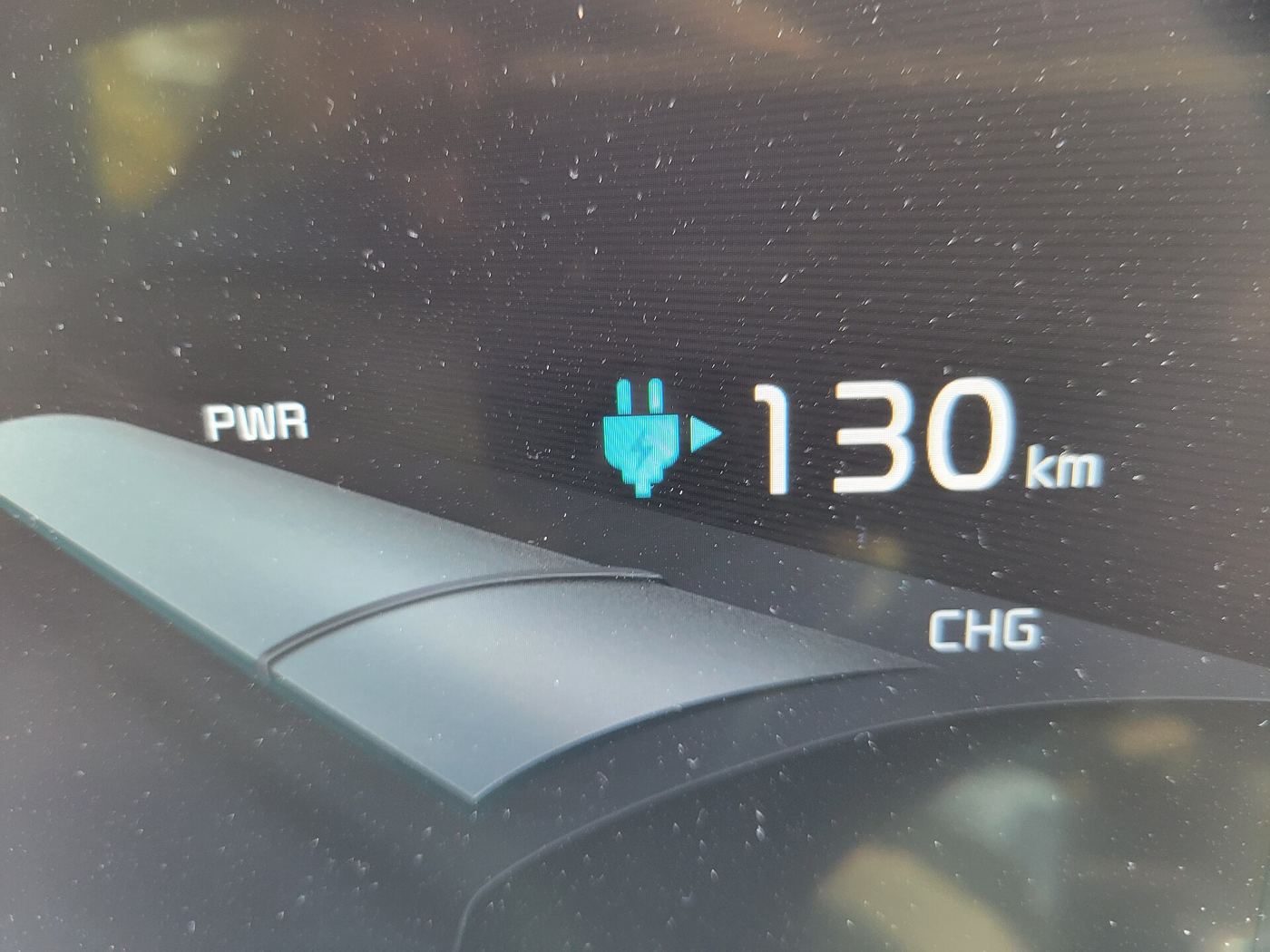
Electricity prices change through the day, rapid chargers charge a premium for speed, and a battery that is nearly empty accepts power far faster than one that is almost full. Electric car software is now putting those three facts together, using live dashboard data to plan not just where a driver should stop, but when, for how long, and how much the stop should cost. On a long journey, the car weighs its current charge, the drivers real consumption in todays weather, charger prices along the route and even predicted queues, then suggests a strategy: perhaps two short, cheap top-ups rather than one long, expensive fill. At home, the same logic works overnight, delaying charging until tariffs fall while still guaranteeing the battery is ready by the time the owner normally leaves. Drivers testing the systems say the biggest surprise is how much money hides in small decisions, because shifting a single motorway charge to a cheaper charger one exit earlier can save several pounds without adding a minute overall. Automakers describe the feature as the charging equivalent of a good sat-nav, constantly recalculating as prices and traffic change.
What the Evidence Shows
For the planning to work, the car needs trustworthy data, and that is where the industry is currently investing most heavily. Charger networks are beginning to share live prices and fault reports in a common format, after years in which each network guarded its own app and its own numbers. Vehicles contribute anonymised consumption data from real journeys, which improves range predictions in cold weather and on hilly routes far beyond what laboratory figures ever offered. Fleet operators have adopted the tools fastest, since a delivery company running hundreds of vans can save a substantial sum each month simply by charging at the right depots at the right hours, and by avoiding the rapid chargers whose prices spike at peak times. There are open questions about fairness and control: drivers want to know why the car recommends a particular stop, and regulators are watching to ensure built-in planners do not quietly favour a manufacturers own charging network over cheaper rivals. Transparency settings that show the price and time trade-offs behind each suggestion are becoming common in response. Reporting and analysis from sources such as IEEE Spectrum track the same developments, and specialists following the cost-aware charging planner say the direction is now consistent across independent lines of evidence.
The Wider Context
Adoption of the cost-aware charging planner follows a familiar pattern with an unfamiliar speed. Early users tolerate rough edges in exchange for advantage, mainstream users arrive when the tool disappears into existing workflows, and the market consolidates around whoever made that transition feel effortless. Vendors are racing less on raw performance now than on integration, support and trust.
What Happens Next
The realistic forecast for the cost-aware charging planner is steady integration rather than sudden replacement: embedded in products people already use, improving in increments, and regulated in proportion to its reach. The companies and institutions that plan on that basis, training staff and redesigning processes instead of chasing launches, are the ones the adoption data tends to vindicate. You can follow related developments in our coverage of technology.
It is also worth remembering how quickly the picture in this area has changed before. Positions that looked settled a few years ago have been revised as new data arrived, and the same humility is appropriate now. The strongest coverage of this subject, and the most useful advice, tends to come from sources that update their views openly when the facts move, rather than defending an earlier position long after it has stopped fitting the evidence available.
