

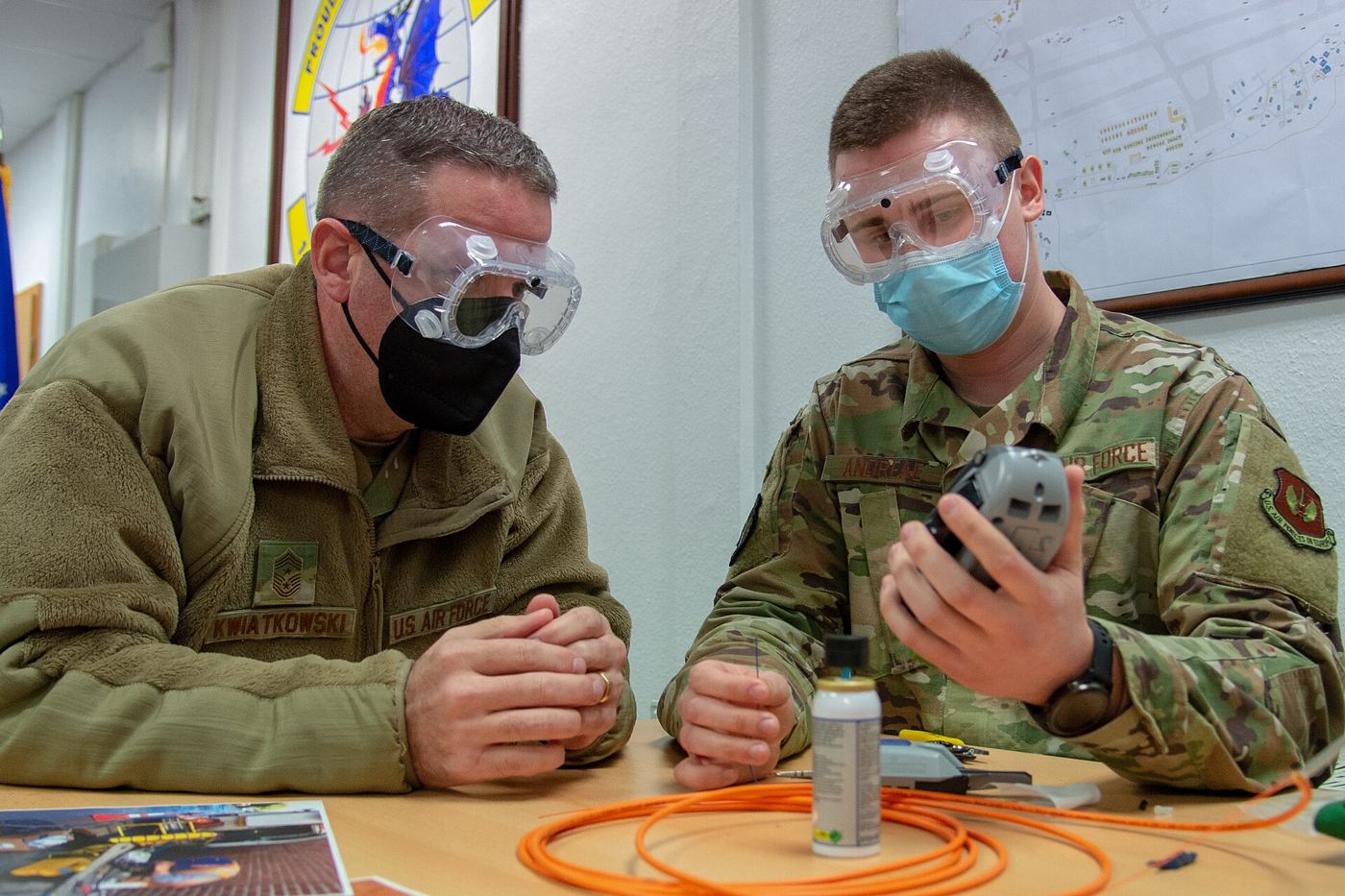
A fiber network can cross a country flawlessly and still disappoint at the final step: the last few metres into and around a home. Installers say the quality of that closing stretch, the route the cable takes through walls, the placement of the connection box and the position of the router, shapes the broadband experience as much as the headline speed. Thick walls, distant rooms and electrical interference from poor placement can all waste what the street-level network delivers. Installation teams are therefore spending more time planning with householders, testing signal in the rooms where people actually work and stream, rather than simply connecting the nearest point and leaving. Customer reviews increasingly mention the installation itself, suggesting that households judge a provider by the care taken in their hallway as much as by advertised speeds.
What the Evidence Shows
The shift reflects how central home connectivity has become to work, study and entertainment. Good installers now treat the visit as a small design job: choosing discreet cable routes, avoiding future damage from renovations, labelling connections clearly and showing residents how to restart equipment and recognise faults. Providers have learned that a careful first installation prevents repeat visits and support calls, which cost far more than extra minutes on the day. For older buildings and blocks of flats, the challenges multiply, with shared risers and limited access requiring coordination between owners and tenants. When the last metres are done well, the technology disappears, and the connection simply works everywhere it is needed. Providers who get those metres right tend to keep their customers, a commercial lesson that has quietly raised installation standards across much of the industry. Reporting and analysis from sources such as IEEE Spectrum track the same developments, and specialists following in-home fiber installation say the direction is now consistent across independent lines of evidence.
The Wider Context
Adoption of in-home fiber installation follows a familiar pattern with an unfamiliar speed. Early users tolerate rough edges in exchange for advantage, mainstream users arrive when the tool disappears into existing workflows, and the market consolidates around whoever made that transition feel effortless. Vendors are racing less on raw performance now than on integration, support and trust.
What Happens Next
The realistic forecast for in-home fiber installation is steady integration rather than sudden replacement: embedded in products people already use, improving in increments, and regulated in proportion to its reach. The companies and institutions that plan on that basis, training staff and redesigning processes instead of chasing launches, are the ones the adoption data tends to vindicate. You can follow related developments in our coverage of technology.
It is also worth remembering how quickly the picture in this area has changed before. Positions that looked settled a few years ago have been revised as new data arrived, and the same humility is appropriate now. The strongest coverage of this subject, and the most useful advice, tends to come from sources that update their views openly when the facts move, rather than defending an earlier position long after it has stopped fitting the evidence available.
