

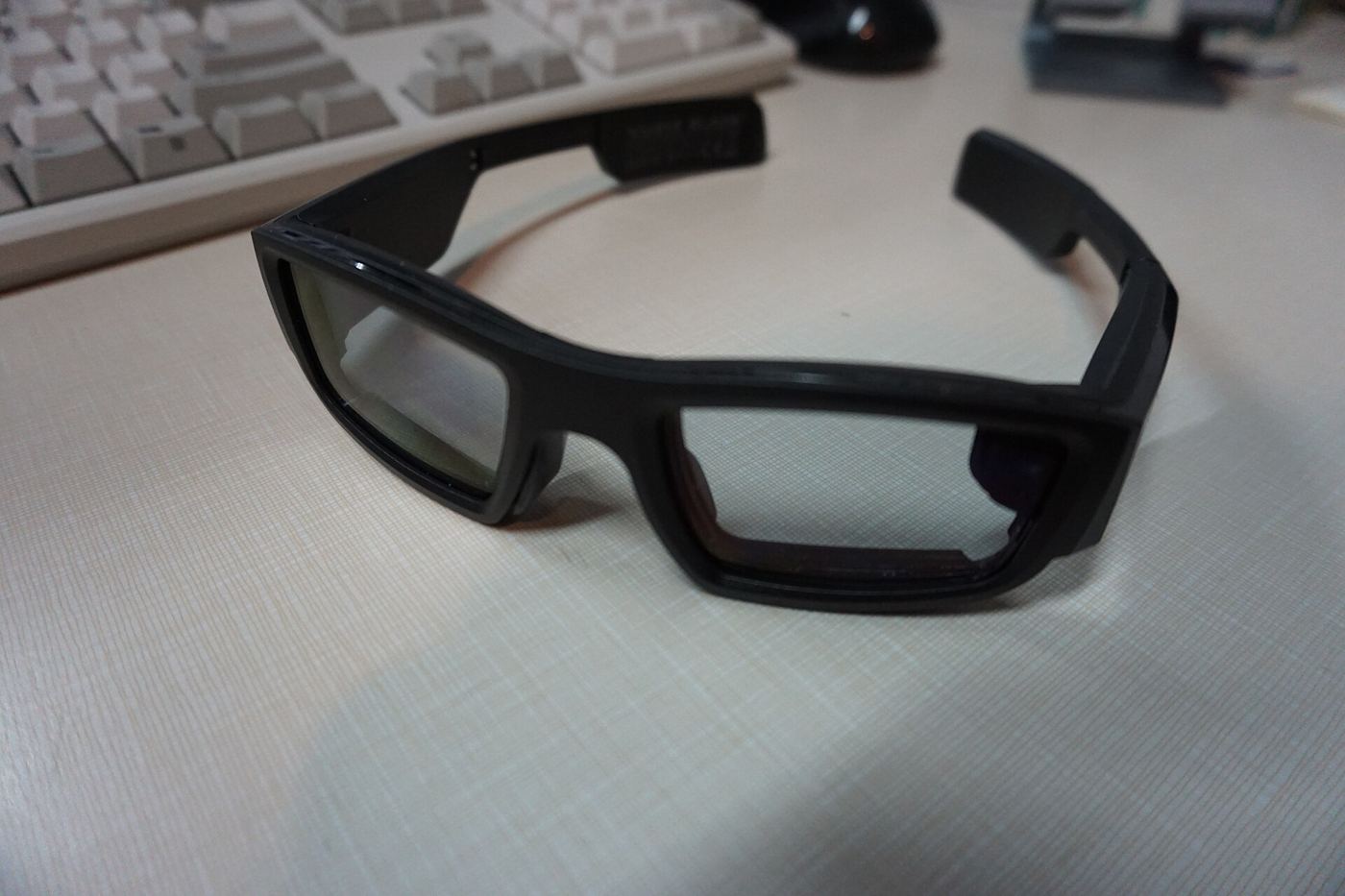
The gadget that finally made smart glasses work is not a headset, it is a pair of sunglasses. Meta’s Ray-Ban smart glasses, launched in October 2023 with eyewear giant EssilorLuxottica, look like ordinary Wayfarers but carry a camera, speakers and an AI assistant in the frames. Wearers can take photos, listen to music, translate conversations in real time and ask Meta AI what they are looking at, all without touching a phone. Meta demonstrated live translation between Spanish and English in late 2024, turning the glasses into a tool for travellers as well as a camera. The glasses became an unexpected hit: EssilorLuxottica reported that two million pairs had been sold by early 2025, Meta said sales tripled in 2024, and the company expanded the range with Oakley sports frames in June 2025. For the first time, a wearable computer sold in the millions without looking like one.
What the Evidence Shows
The success has changed how the tech industry thinks about AI hardware. Google, Apple and Samsung are all reported to be working on their own AI glasses, and analysts now expect smart glasses to be the first mass-market device built around AI assistants rather than screens. The appeal is simple: a camera and microphone at eye level, with answers whispered in your ear, is more natural than pulling a phone from your pocket. But the same features raise familiar questions about privacy, since a camera on someone’s face can record without others noticing, and Meta has added a light that signals when the camera is recording. The glasses are still a niche next to smartphones, yet their sales suggest that the next computer may sit on your nose rather than in your hand. Reporting and analysis from sources such as IEEE Spectrum track the same developments, and specialists following Meta Ray-Ban AI smart glasses say the direction is now consistent across independent lines of evidence.
The Wider Context
Adoption of Meta Ray-Ban AI smart glasses follows a familiar pattern with an unfamiliar speed. Early users tolerate rough edges in exchange for advantage, mainstream users arrive when the tool disappears into existing workflows, and the market consolidates around whoever made that transition feel effortless. Vendors are racing less on raw performance now than on integration, support and trust.
What Happens Next
The realistic forecast for Meta Ray-Ban AI smart glasses is steady integration rather than sudden replacement: embedded in products people already use, improving in increments, and regulated in proportion to its reach. The companies and institutions that plan on that basis, training staff and redesigning processes instead of chasing launches, are the ones the adoption data tends to vindicate. You can follow related developments in our coverage of technology.
It is also worth remembering how quickly the picture in this area has changed before. Positions that looked settled a few years ago have been revised as new data arrived, and the same humility is appropriate now. The strongest coverage of this subject, and the most useful advice, tends to come from sources that update their views openly when the facts move, rather than defending an earlier position long after it has stopped fitting the evidence available.
