

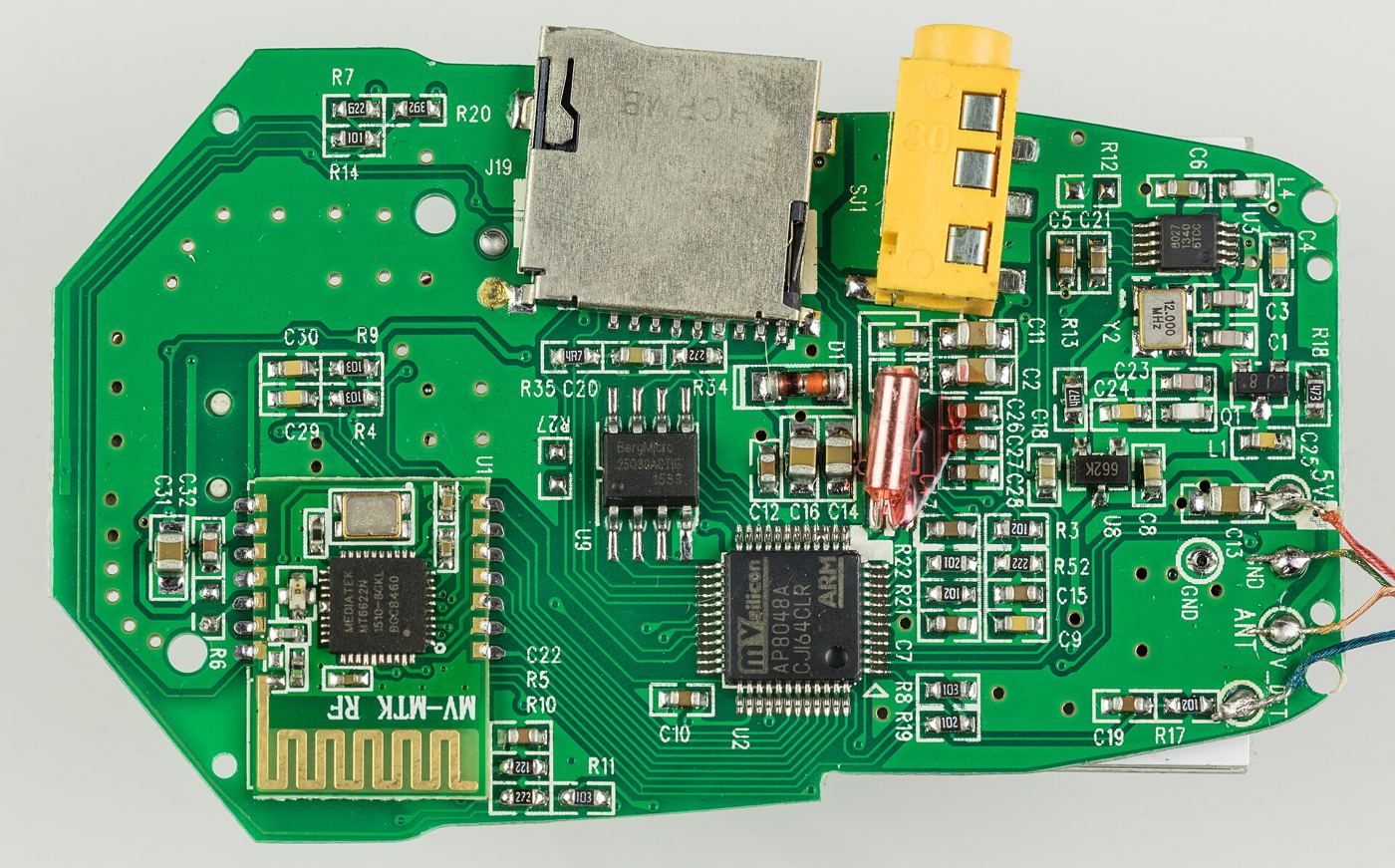
Artificial intelligence on a phone used to mean sending data to a distant server and waiting for an answer, but the newest handsets do far more of the work inside the device itself. That shift is possible because of dedicated AI chips that handle tasks such as recognising speech, enhancing photographs and translating conversations while using far less power than the main processor would. The problem is that these features are hungry, and a phone running AI all day can drain its battery long before evening. Chip designers are responding with more efficient designs, built on smaller transistors and smarter power management that switches parts of the chip off the moment they are not needed. Benchmarks from the latest handsets show AI tasks completing faster while using noticeably less energy, a combination that matters more to most owners than any single headline feature.
What the Evidence Shows
Battery life has become the deciding factor in how much on-device AI people actually use. A translation feature that empties the battery by lunchtime will be switched off, however clever it is, while one that sips power becomes part of the daily routine. Manufacturers are therefore tuning software alongside hardware, scheduling heavy AI work for moments when the phone is charging and choosing lighter models for tasks that must run continuously, such as listening for a wake word. Heat is another constraint, because a phone has no fan and a chip that runs too hot must slow down to protect itself. Engineers are experimenting with new materials and layouts that spread heat more evenly through the device. For buyers, the practical advice is to look beyond advertised AI features and ask how long the phone lasts while actually using them, because the best chip is the one that keeps working until the end of the day. Reporting and analysis from sources such as IEEE Spectrum track the same developments, and specialists following the efficient phone chips say the direction is now consistent across independent lines of evidence.
The Wider Context
Adoption of the efficient phone chips follows a familiar pattern with an unfamiliar speed. Early users tolerate rough edges in exchange for advantage, mainstream users arrive when the tool disappears into existing workflows, and the market consolidates around whoever made that transition feel effortless. Vendors are racing less on raw performance now than on integration, support and trust.
What Happens Next
The realistic forecast for the efficient phone chips is steady integration rather than sudden replacement: embedded in products people already use, improving in increments, and regulated in proportion to its reach. The companies and institutions that plan on that basis, training staff and redesigning processes instead of chasing launches, are the ones the adoption data tends to vindicate. You can follow related developments in our coverage of technology.
It is also worth remembering how quickly the picture in this area has changed before. Positions that looked settled a few years ago have been revised as new data arrived, and the same humility is appropriate now. The strongest coverage of this subject, and the most useful advice, tends to come from sources that update their views openly when the facts move, rather than defending an earlier position long after it has stopped fitting the evidence available.
