

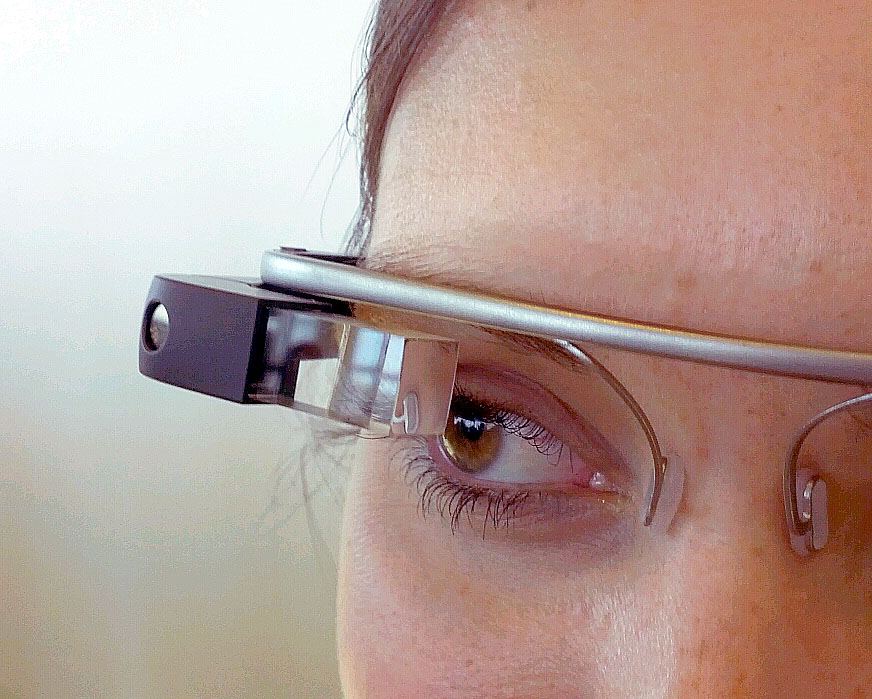
For a deaf or hard-of-hearing traveller, the hardest moments are often ordinary ones, such as hearing a platform announcement change, understanding a hotel receptionist behind a screen or following a tour guide in a noisy street. Smart glasses with live captioning aim to help by listening to nearby speech and displaying a running transcript in the wearer’s view, without requiring the other person to use a special device. Trials and early commercial products focus on clear captions, low delay and controls that let the wearer adjust text size and brightness. Users involved in testing often say the value is independence, being able to handle a conversation directly rather than relying on written notes, gestures or a companion interpreting every exchange in public. Travel companies and museums are watching the technology closely, since a visitor who can follow a guide independently may need less separate provision, although responsible providers say wearable captions should expand choice rather than quietly replace existing accessible services.
What the Evidence Shows
The technology still has limits, including battery life, accuracy in crowded places, difficulty identifying who is speaking and questions about recording conversations in public. Designers are responding with directional microphones, on-device processing where possible and visible indicators when listening is active. Accessibility specialists also stress that captions are one option among many, and should complement rather than replace sign language services, hearing loops and trained staff. Even so, wearable captions point toward a broader idea in assistive technology, which is to put the aid in the hands, or in this case in the view, of the person who needs it, at the moment an everyday conversation is happening around them. Cost will decide how widely the glasses spread beyond early adopters, and deaf organisations are pressing manufacturers to involve their communities in design from the start, rather than presenting finished products built around assumptions about what users actually want. Reporting and analysis from sources such as IEEE Spectrum track the same developments, and specialists following captioning smart glasses say the direction is now consistent across independent lines of evidence.
The Wider Context
Adoption of captioning smart glasses follows a familiar pattern with an unfamiliar speed. Early users tolerate rough edges in exchange for advantage, mainstream users arrive when the tool disappears into existing workflows, and the market consolidates around whoever made that transition feel effortless. Vendors are racing less on raw performance now than on integration, support and trust.
What Happens Next
The realistic forecast for captioning smart glasses is steady integration rather than sudden replacement: embedded in products people already use, improving in increments, and regulated in proportion to its reach. The companies and institutions that plan on that basis, training staff and redesigning processes instead of chasing launches, are the ones the adoption data tends to vindicate. You can follow related developments in our coverage of technology.
It is also worth remembering how quickly the picture in this area has changed before. Positions that looked settled a few years ago have been revised as new data arrived, and the same humility is appropriate now. The strongest coverage of this subject, and the most useful advice, tends to come from sources that update their views openly when the facts move, rather than defending an earlier position long after it has stopped fitting the evidence available.
