

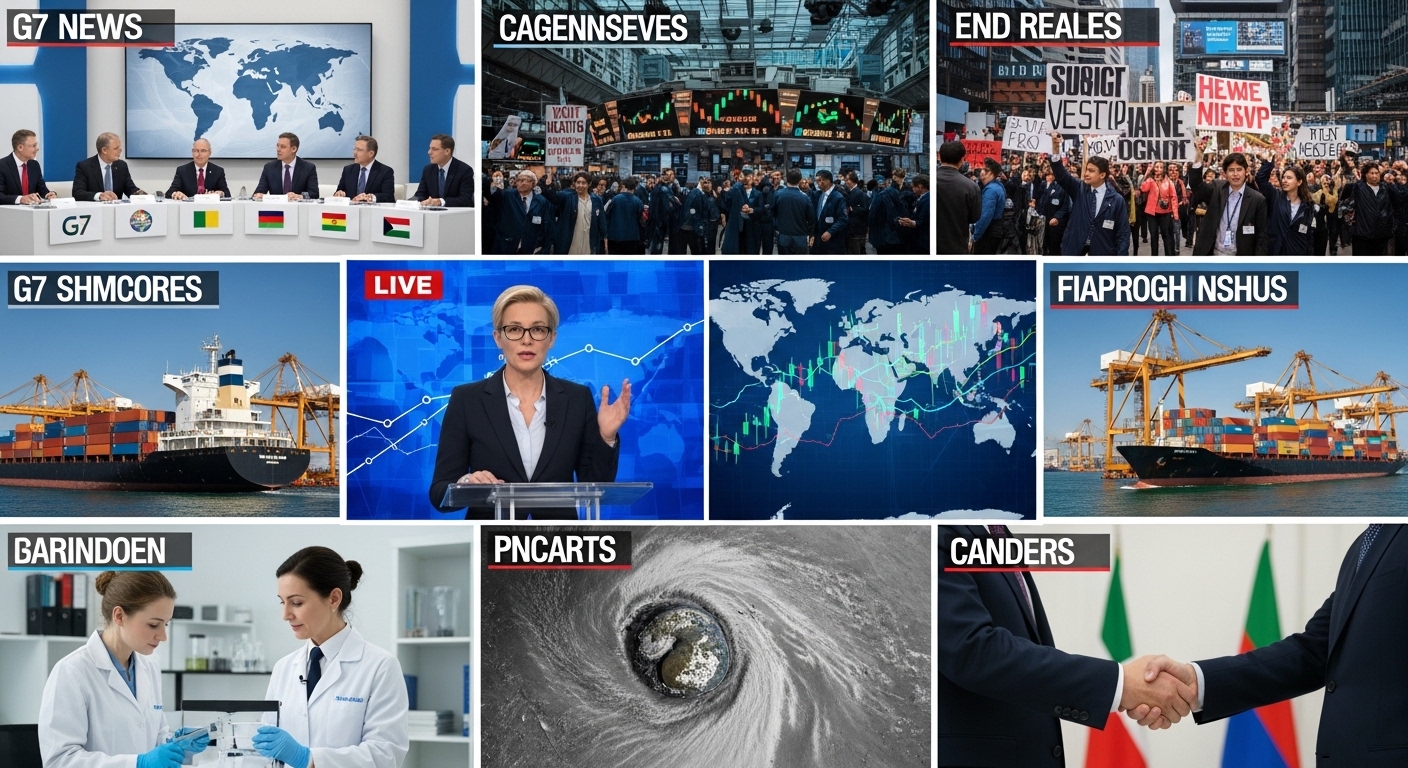
Global politics and the world economy are deeply interconnected, and breaking news events often reshape financial markets, diplomatic relations, and international stability within days. In 2026, geopolitical tensions, energy shifts, technological competition, and economic realignments are driving major global changes that influence trade, inflation, security, and investment decisions across continents.
Geopolitical Conflicts And Global Stability
Ongoing Regional Tensions
Regional tensions in several parts of the world are affecting global stability by increasing uncertainty in trade routes, energy supply chains, and diplomatic relations. These conflicts influence investor confidence and force governments to adjust foreign policy strategies to protect economic and security interests.
Superpower Rivalry Expansion
Competition between major global powers is intensifying across technology, defense, and economic influence. This rivalry impacts international alliances, trade restrictions, and global supply chains, creating a more fragmented and competitive world order with long-term economic consequences.
Diplomatic Negotiation Efforts
Diplomatic negotiations continue to play a critical role in reducing global tensions. Countries are engaging in high-level talks to manage conflicts, stabilize trade relationships, and prevent escalation, aiming to maintain global economic balance and peace.
Military Spending Increase
Many nations are increasing military spending due to rising geopolitical uncertainty. This shift affects national budgets, global arms markets, and economic priorities, often reducing funds available for social and infrastructure development.
International Security Alliances
Security alliances are becoming stronger as countries seek collective defense strategies. These partnerships influence global politics, trade policies, and military coordination, shaping the balance of power in international relations.
Global Economic Shifts And Market Instability
Inflation Pressure Worldwide
Inflation remains a key concern globally, affecting food prices, housing costs, and consumer purchasing power. Central banks are adjusting interest rates carefully to balance economic growth and financial stability.
Currency Value Fluctuations
Currency fluctuations are impacting international trade and investment flows. Exchange rate instability creates uncertainty for import-export businesses and influences global financial markets significantly.
Stock Market Volatility
Stock markets are experiencing volatility due to geopolitical risks, interest rate changes, and investor uncertainty. This affects retirement funds, corporate investments, and global wealth distribution patterns.
Debt Levels Rising Globally
Many countries are facing rising public debt, which limits economic flexibility and increases financial risk. Governments are focusing on debt management strategies to avoid long-term economic instability.
Consumer Spending Changes
Global consumer spending is shifting due to inflation and economic uncertainty. People are prioritizing essential goods over luxury items, affecting retail industries and economic growth patterns.
Energy Crisis And Resource Competition
Oil Supply Disruptions
Oil supply disruptions are influencing global energy prices and increasing production costs across industries. These changes affect transportation, manufacturing, and overall economic stability worldwide.
Renewable Energy Expansion
Countries are investing heavily in renewable energy sources such as solar and wind power to reduce dependency on fossil fuels and improve long-term sustainability.
Natural Gas Market Pressure
Natural gas markets are experiencing price fluctuations due to supply limitations and geopolitical tensions, impacting energy security in multiple regions.
Energy Trade Agreements
New energy trade agreements are being formed between countries to secure stable fuel supplies and diversify energy sources, strengthening international cooperation.
Climate Policy Impact
Climate policies are influencing global energy strategies by pushing industries toward cleaner technologies and sustainable production methods, reshaping economic priorities.
Technology And Global Power Competition
Artificial Intelligence Race
The global race in artificial intelligence development is shaping economic leadership and military capabilities. Countries investing heavily in AI are gaining competitive advantages in multiple sectors.
Semiconductor Industry Demand
Semiconductors remain at the center of global economic competition. Supply chain control over chips is influencing technology development and international trade policies.
Cybersecurity Threat Growth
Cybersecurity threats are increasing worldwide, affecting governments, businesses, and critical infrastructure. This has made digital security a top international priority.
Digital Economy Expansion
The digital economy continues expanding rapidly, driven by e-commerce, fintech, and online services, reshaping traditional business models globally.
Tech Regulation Policies
Governments are introducing stricter technology regulations to manage data privacy, AI development, and digital competition, influencing global tech industry growth.
Global Trade And Supply Chain Realignment
Supply Chain Diversification
Companies are diversifying supply chains to reduce dependency on single regions and minimize risks caused by geopolitical disruptions and global crises.
Trade Route Disruptions
Global trade routes are facing disruptions due to conflicts, shipping delays, and logistical challenges, impacting international commerce efficiency.
Manufacturing Shift Trends
Manufacturing is shifting toward new regions offering lower costs and political stability, changing global production dynamics significantly.
Import Export Restrictions
Countries are introducing new trade restrictions to protect domestic industries, which affects global supply chains and international market access.
Global Logistics Challenges
Logistics industries are struggling with rising costs, fuel prices, and regulatory changes, affecting delivery timelines and global trade efficiency.
Financial Markets And Investment Trends
Global Investment Shifts
Investors are shifting capital toward technology, energy, and infrastructure sectors, reflecting changing global economic priorities and growth opportunities.
Emerging Market Growth
Emerging markets are attracting investment due to high growth potential, though risks remain due to political and economic instability.
Cryptocurrency Market Movement
Cryptocurrency markets continue to fluctuate based on regulation, adoption, and investor sentiment, influencing digital financial systems globally.
Central Bank Policies Impact
Central bank decisions on interest rates and monetary policy are significantly influencing global investment flows and market stability.
Institutional Investment Growth
Large institutions are increasing investments in diversified global assets, focusing on long-term stability and risk management strategies.
International Politics And Diplomatic Realignment
New Global Alliances
New alliances are forming between countries based on economic and security interests, reshaping traditional diplomatic relationships.
Sanctions And Trade Policies
Economic sanctions and trade policies are being used as political tools, affecting international business operations and diplomatic relations.
Peace Negotiation Efforts
Ongoing peace negotiations aim to resolve regional conflicts and stabilize global political environments, reducing economic uncertainty.
Election Impacts Globally
Elections in major countries influence global markets and diplomatic relations, often leading to policy shifts and economic changes.
Global Governance Changes
International organizations are adapting governance structures to address modern challenges such as climate change, technology regulation, and global security.
Conclusion
Breaking world news continues to shape international politics and the global economy through conflicts, energy shifts, technological competition, and financial market changes. These developments influence trade, investment, and diplomatic relations worldwide. As global systems become more interconnected, staying informed about international events is essential for understanding future economic trends and political stability across the world.